01
A defined first version
A practical brief covering the users, their workflow, required information and the features that need to be delivered first.
Web app development
I design and build custom web applications for businesses that need more than a website. That can mean a customer portal, a team dashboard, a membership product or a tool that brings a complicated workflow into one place.
Tell me about your project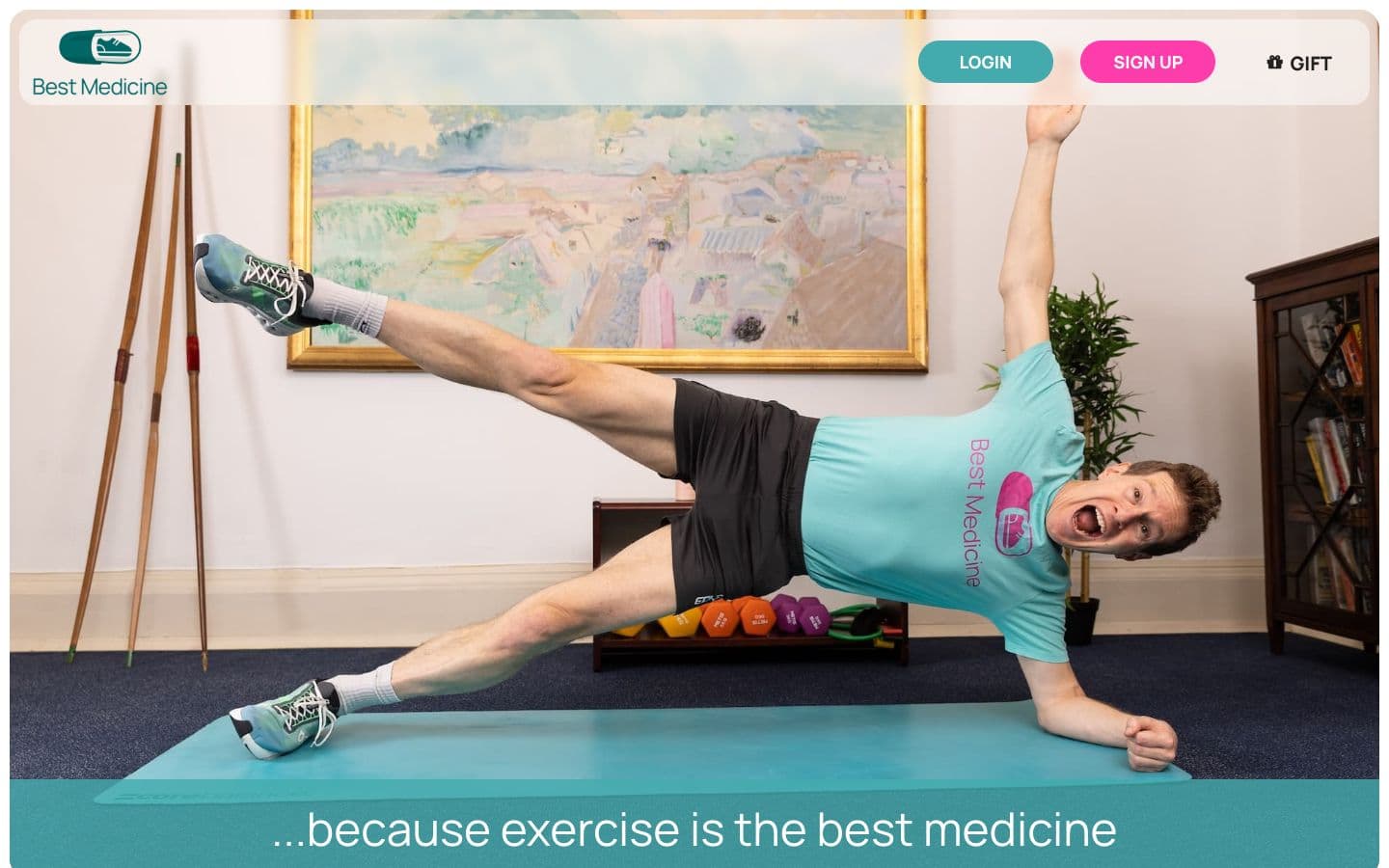
The work behind the words
Best MedicineExplore the project ↗An application project starts with the people using it and the task they need to complete. We work through the steps, the information involved and who should have access to what. That might reveal a need to replace a spreadsheet process, connect existing systems or give customers a way to manage their own information. I turn those requirements into a defined first release, with the essential functionality agreed before the build.
For a custom interface and application logic, I can build with Next.js, React and TypeScript, connecting the screens to the data and APIs they need. Where an established platform already provides useful functionality, we consider that too. The choice depends on the workflow, integrations, editing needs and who will maintain the application. You do not need to arrive with a framework already chosen.
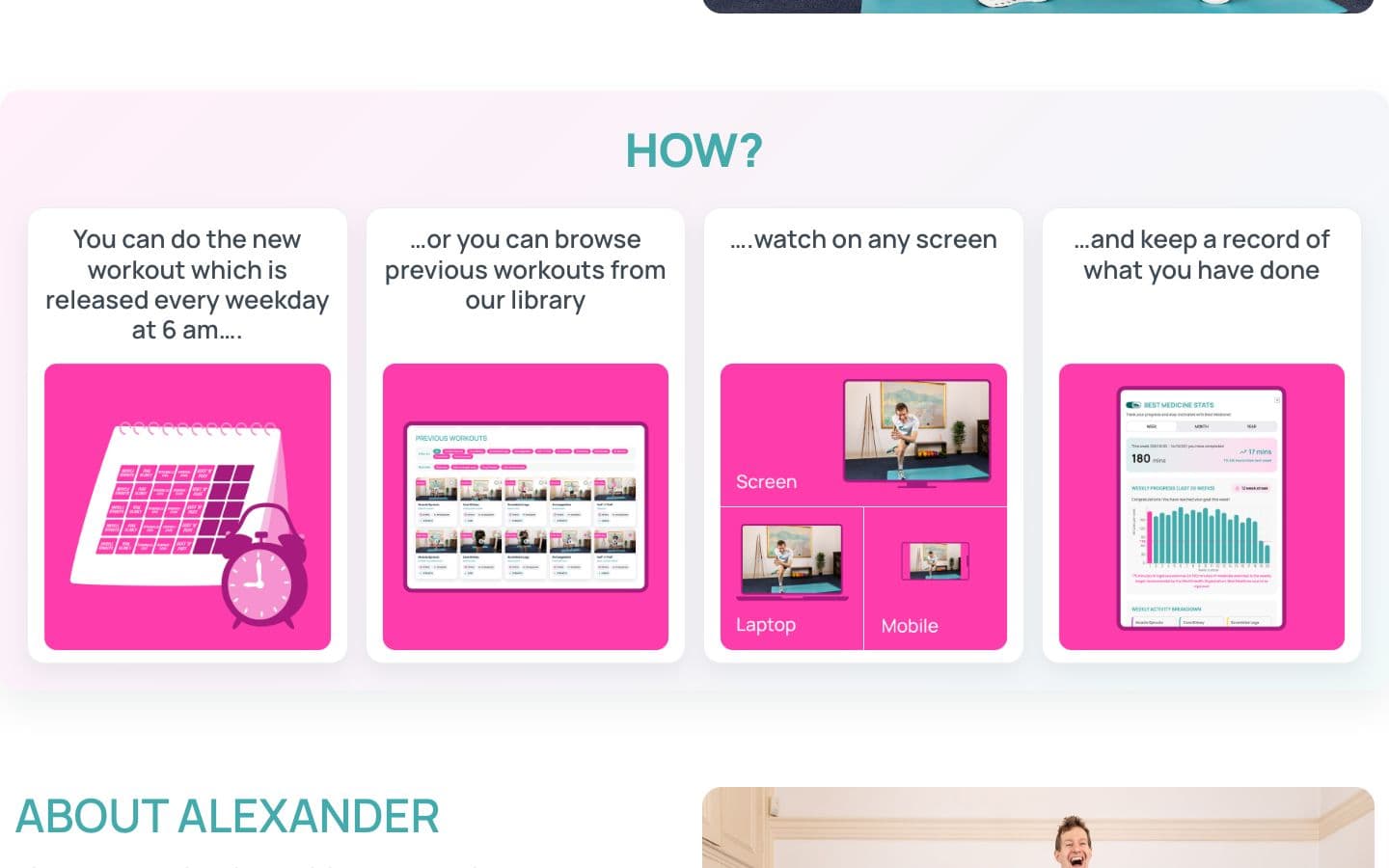
Best Medicine demonstrates this work using WordPress and membership functionality. The platform combines member access, a workout library, favourites, viewing history and activity reporting. Those features connect a public-facing service with a personal member experience and tools for the team running it. It is a useful example of shaping an application around the people who use it.
I can take on a new product or a substantial improvement to an existing system. Data handling, permissions, error states and administration form part of the scope alongside the interface. We agree how the important workflows will be tested and how deployment, access and ongoing ownership will work. Further development can then follow the needs that emerge from real use.
01
A practical brief covering the users, their workflow, required information and the features that need to be delivered first.
02
Screens and interactions for the agreed tasks, including the important empty, loading and error states.
03
User accounts, permissions, data, reporting and API integrations based on the brief, with the tools needed by the people administering the application.
04
Checks of the agreed workflows and an explicit plan for deployment, access, handover and any continuing development.
The work behind the words
Fitness membership
A custom WordPress membership platform combining weekday workouts, a video library, favourites and personal activity tracking.
Before we begin
A web application is used through a browser and can support people on computers, tablets and phones. An installed app has a separate distribution and update process and may be more suitable for particular device features or patterns of use. We start with what the user needs to do, including any offline requirements, before deciding which approach fits.
That is one of the first decisions to make. I look at the workflow and what suitable existing tools can already do before proposing a custom build. Best Medicine, for example, combines established WordPress and membership capabilities with functionality developed around its service.
Yes. We can define the core task the application must support and scope a first release around it. Additional features can then be prioritised using feedback from the people using the software, with each phase agreed before development starts.
The cost depends on the workflows, user roles, data and integrations involved. A short description of the problem, who will use the tool and what you currently use helps me assess it. Where the requirements need investigation, that discovery work should be scoped before committing to a full build.
The application needs a clear owner for hosting, access, maintenance and user support. We agree those responsibilities during the project and document the handover. I can also scope further development as feedback and new requirements emerge, with any ongoing arrangement agreed separately.
Your next project
Send me the brief, the current website or the idea you’re working through. I’ll take a look and come back to you personally.